West Michigan commercial roofs serve Grand Haven, MI, business owners in a climate that punishes poorly chosen materials and skipped maintenance. A qualified commercial roofing contractor understands that Ottawa County demands differ significantly from what a residential roofer encounters. If you need expert guidance or a free estimate, call Lakeside Roofing Company today at (800) 305-9097 This post covers flat vs. pitched roof systems, common membranes, how Lake Michigan weather creates distinct challenges, maintenance schedules, and when to call a dedicated commercial contractor.
Flat vs. Pitched: The First Thing Grand Haven Business Owners Need to Know
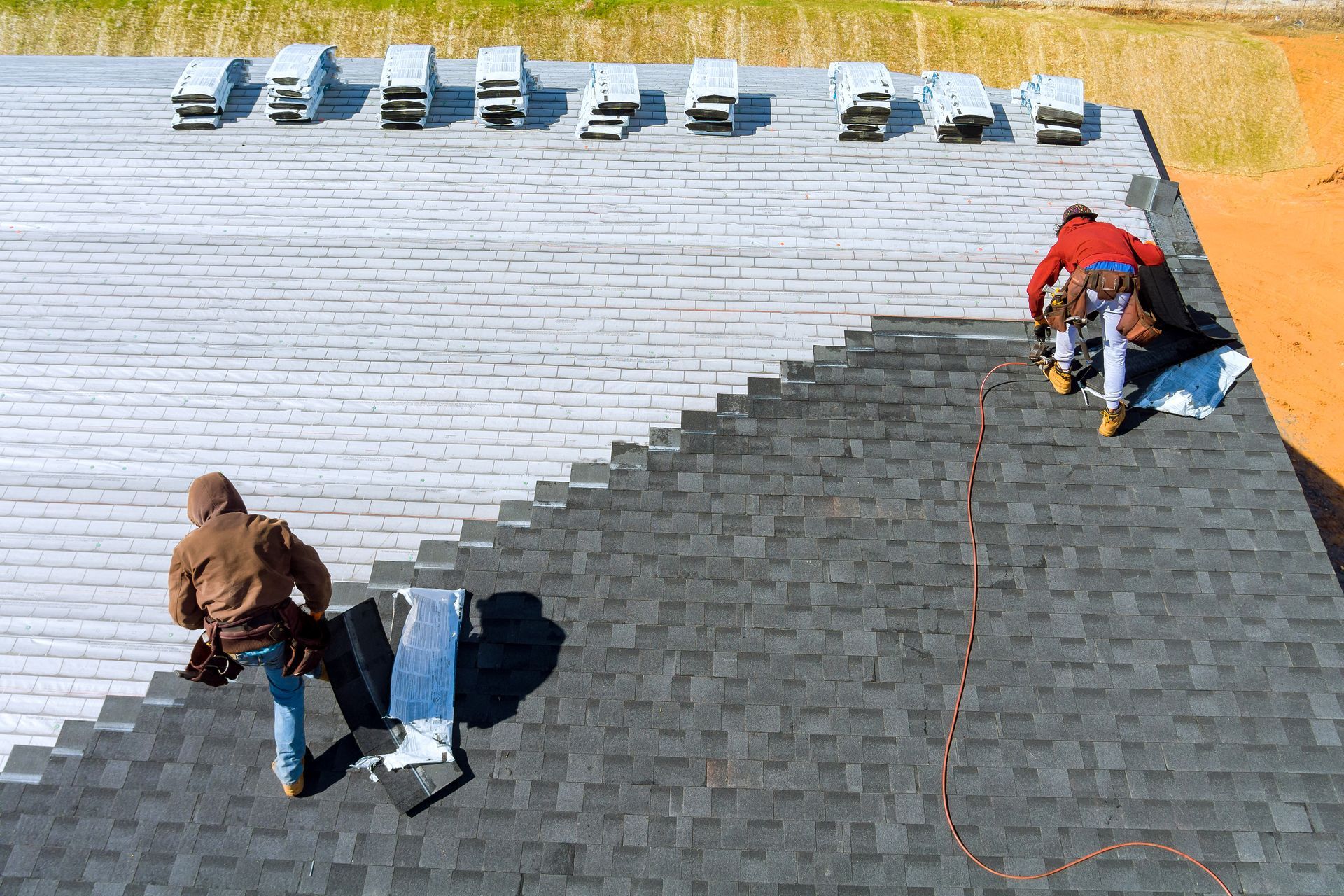
Most commercial buildings in West Michigan rely on flat or low-slope roof systems. Retail shops along US-31, light manufacturing facilities, and office buildings throughout Ottawa County commonly use these designs. A flat or low-slope roof carries a slight pitch to move water toward drains and scuppers. Standard asphalt shingles are designed for steeper residential slopes and will fail quickly on a low-slope surface, so commercial structures typically need a membrane-based system instead.
Pitched commercial roofs do exist, especially on smaller retail or mixed-use properties. Standing-seam metal is a popular choice for sloped commercial applications because it sheds snow efficiently and holds up against wind-driven rain off Lake Michigan.
The Three Membrane Systems You Will Encounter on West Michigan Commercial Roofs
TPO (Thermoplastic Polyolefin) is among the most common choices for new commercial installations. TPO membranes are heat-welded, creating a stronger, more watertight bond than adhesive seams. The white or light-gray surface reflects solar heat during West Michigan summers and remains flexible during freeze-thaw cycles.
EPDM (Ethylene Propylene Diene Monomer) is a black rubber membrane that has been the commercial standard for decades, offering strong weather resistance and a long service life. The dark surface promotes faster snowmelt in winter. EPDM seams are bonded with adhesive rather than heat-welded, so seam condition warrants attention during annual inspections.
Modified Bitumen is an asphalt-based multi-layer system with strong puncture resistance, making it practical for roofs with regular foot traffic from HVAC service and mechanical equipment. It may be applied by torch, hot mop, or peel-and-stick methods.
Each system performs well in Grand Haven's climate when installed correctly and maintained on schedule.
How Lake Michigan Climate Creates Unique Demands on Commercial Roofs
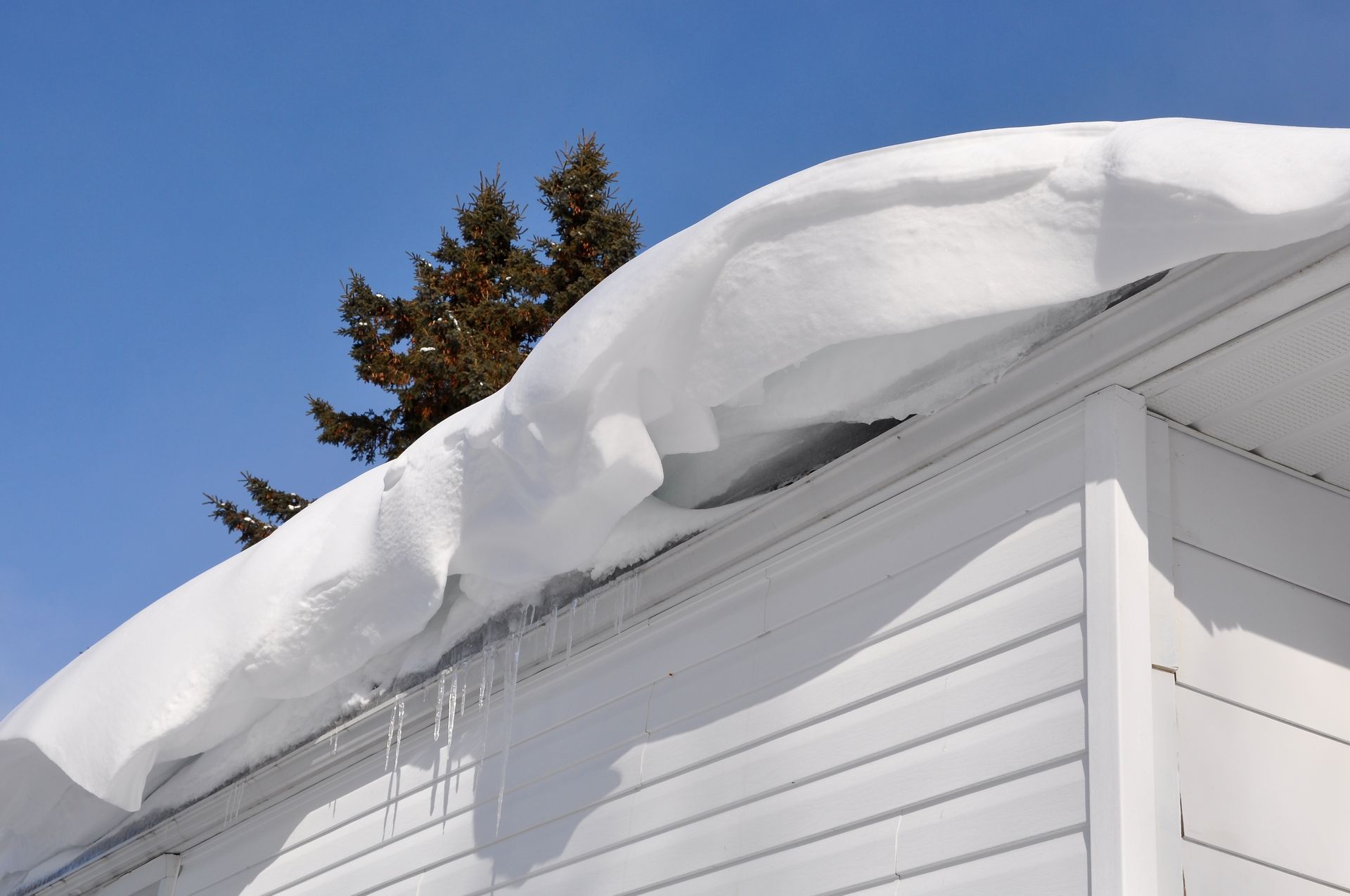
Grand Haven sits at the mouth of the Grand River on the eastern shore of Lake Michigan, placing it directly in the path of lake-effect weather. Snow loads can accumulate rapidly on flat commercial decks, adding significant weight in a short period. Drainage systems, including interior drains and scuppers, must remain clear for snowmelt to exit as designed.
The freeze-thaw cycle compounds this stress. Lakeshore temperatures swing above and below freezing repeatedly throughout winter, working on seams, flashings, and penetrations. Ponding water, defined as standing water remaining more than 48 hours, accelerates membrane deterioration and adds structural load over time.
Wind is another lakeshore factor. Winter storms regularly bring sustained winds that stress flashing at rooftop edges, HVAC curbs, and membrane termination points. A commercial roofing contractor serving Grand Haven, MI, should specify installation methods that account for local wind-uplift forces.
How Often Should a Grand Haven Commercial Roof Be Inspected?
Most roofing professionals recommend at least two inspections per year for commercial flat-roof systems in a lake-effect climate: one in the fall before winter arrives and one in the spring after freeze-thaw stress has run its course. Additional inspections after major storm events can catch damage before water reaches interior spaces.
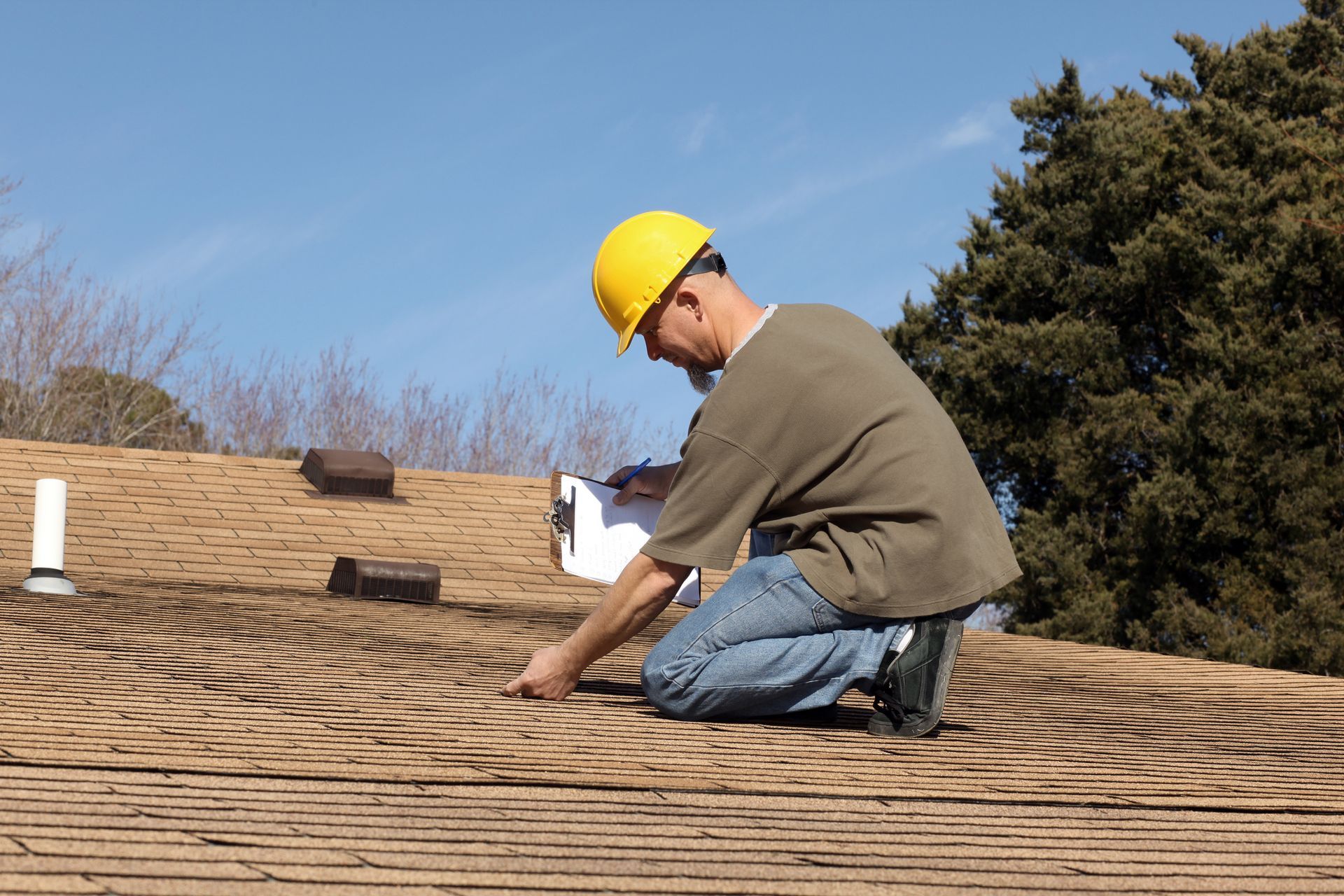
During a maintenance visit, a contractor checks membrane condition, seams, flashing integrity, drain flow, and any signs of ponding or blistering. Catching a small seam separation or flashing gap early can prevent a much larger repair.
When to Call a Commercial Roofing Contractor Instead of a Residential Roofer
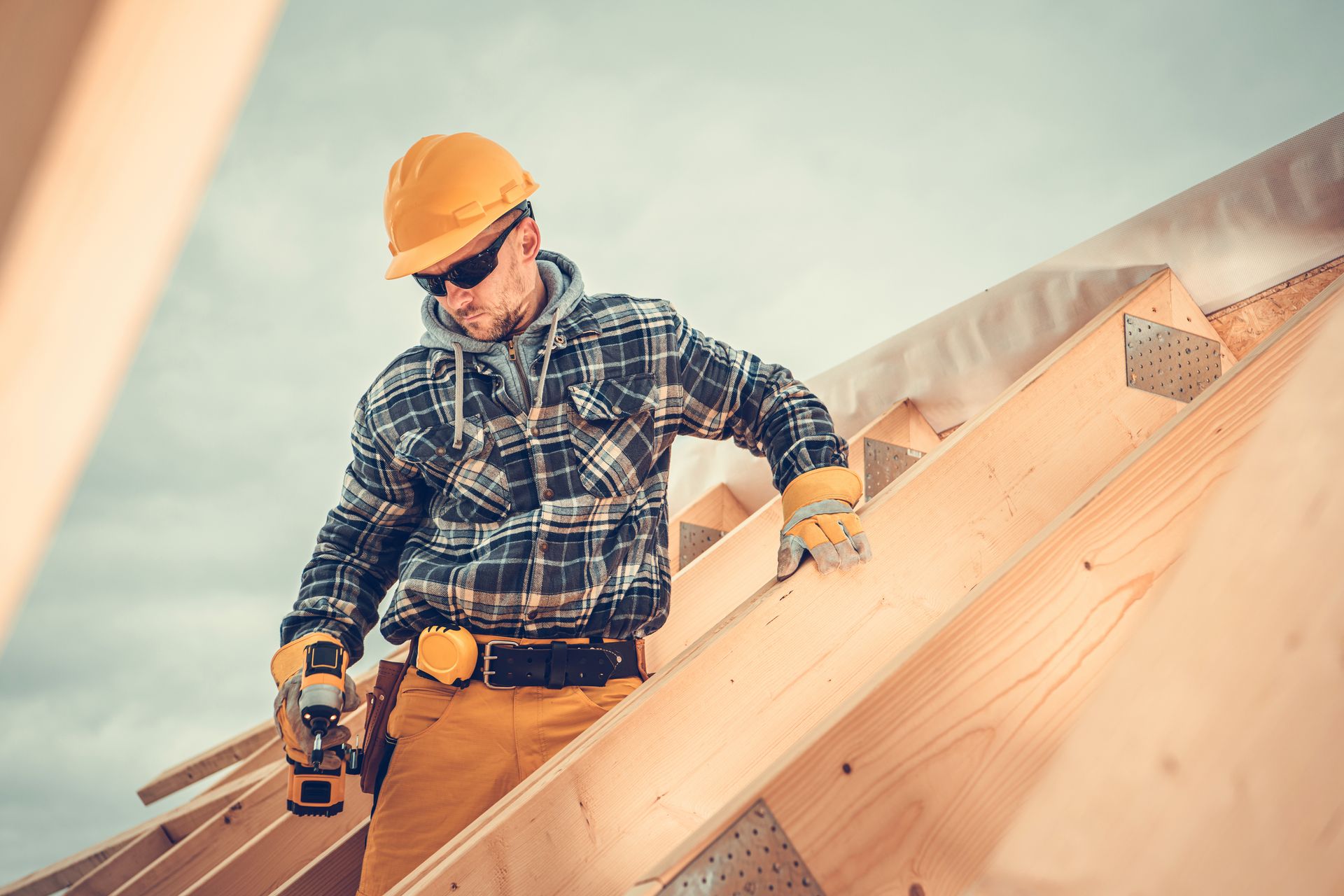
Residential and commercial roofing involve different materials, installation techniques, safety requirements, and code considerations. A contractor who primarily installs shingles may not have experience heat-welding TPO seams, specifying membrane thickness for snow load, or coordinating around an occupied building's operations.
If your building has a flat or low-slope roof, HVAC equipment on the deck, multiple penetrations, or large square footage, the work calls for a contractor with documented commercial experience. Ask about certifications for the membrane systems being installed and confirm the contractor has handled similar building types in Ottawa County.
Frequently Asked Questions About Commercial Roofing in Grand Haven, MI
What Is the Difference Between a Commercial and Residential Roofing Contractor?
A commercial roofing contractor specializes in flat and low-slope membrane systems, large-scale installations, and roofing that must accommodate HVAC equipment, drains, and multiple penetrations. Residential contractors focus on pitched roofs with shingles or metal panels. The tools, training, safety practices, and material knowledge differ considerably between the two.
How Does Lake-Effect Snow Affect a Commercial Flat Roof in Grand Haven?
Lake-effect snow can accumulate rapidly on a flat surface, adding weight that requires monitoring during heavy events. Drainage systems must stay clear so snowmelt exits quickly. Repeated freeze-thaw cycles through a West Michigan winter also stress membrane seams and flashings, making post-winter inspections especially important.
Is TPO or EPDM a Better Choice for a West Michigan Commercial Building?
Both systems perform well in the Grand Haven, MI, climate. TPO offers heat-welded seams and a reflective surface that may reduce summer energy costs. EPDM has a long track record and strong durability. The better choice depends on building configuration, roof traffic, budget, and contractor capabilities. A qualified commercial roofing contractor can assess the building and recommend the most appropriate system.
Talk to a Proven West Michigan Commercial Roofing Team
Commercial roofs in Grand Haven, MI, require local knowledge, membrane expertise, and a maintenance plan built for lakeshore conditions. Lakeside Roofing Company has served Western Michigan with residential and commercial roofing services for decades. Whether you need an inspection, guidance on TPO vs. EPDM, or a storm repair, reach out for a free estimate. You can also find our location and business details on Google Maps.
Explore
commercial roofing services or
contact the team directly. Call toll-free at
(800) 305-9097 or reach the Grand Haven line at
(616) 850-9799.